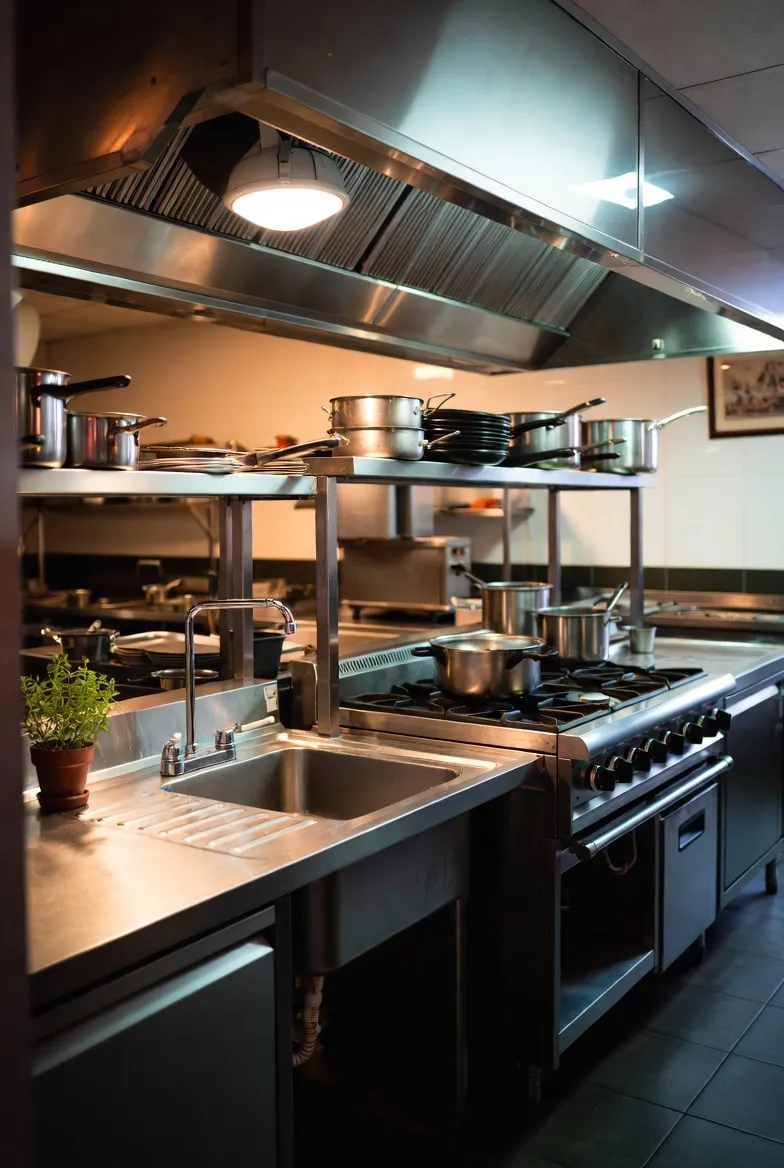
In industries where hygiene, safety, and cleanliness are critical, the type of coating used on surfaces matters far more than many people realise. Standard paints are not designed for environments where food, beverages, or drinking water are present. In these settings, specialised food grade paint systems are essential.
Food grade paint is specifically developed to provide a safe, non-toxic, and durable protective coating for surfaces that come into direct or indirect contact with food and potable water. These coatings are widely used across the food processing, beverage, water storage, and industrial hygiene sectors to help maintain sanitary conditions while protecting infrastructure from wear, moisture, and chemical exposure.
At Dekro Paints, advanced coating systems are developed to meet demanding industrial requirements while delivering long-lasting protection and hygiene performance.
Food grade paint is a specialised coating formulated to be:
Unlike conventional paints, food grade coatings are designed so they do not contaminate food, alter taste or smell, or release harmful substances into products or drinking water.
These coatings are especially important in environments that require:
Food grade coatings are commonly applied to:
Their primary role is to prevent bacterial growth, mildew formation, corrosion, and contamination while maintaining a safe and easy-to-clean surface.
One of the most important factors when selecting food grade paint is ensuring the product complies with recognised safety and hygiene regulations.
Not all coatings marketed as “safe” are certified for food contact applications. It is essential to verify that coatings have been tested and approved by recognised regulatory bodies.
Important certifications and standards include:
This is one of the primary US regulations covering epoxy and resinous coatings intended for repeated food contact.
These European standards apply to coatings and materials intended for direct food contact and are known for their strict safety requirements.
HACCP certification focuses on hygiene and food safety, ensuring coatings are suitable for use in food production facilities.
These standards demonstrate hygienic performance and antibacterial activity on coated surfaces.
These certifications are particularly important for food equipment and potable water systems.
Using certified coatings gives businesses confidence that their facilities meet health, safety, and compliance standards.
Food grade coatings are used across a wide range of industries and environments.
Food factories, processing plants, breweries, wineries, and dairy facilities all require hygienic coatings that can withstand constant cleaning and moisture exposure.
Food grade paint is commonly used on:
These coatings help maintain sanitary conditions while protecting surfaces from wear and contamination.
Food-safe coatings are widely used inside:
These coatings protect the substrate from corrosion while preventing contamination of stored liquids.
Many food transport systems and processing machines require coatings that are safe for food contact while also resisting chemicals, abrasion, and cleaning agents.
Cold storage rooms, freezer facilities, locker rooms, and shower areas often experience high humidity and constant moisture exposure.
Food grade coatings help prevent:
Commercial kitchens require coatings that can handle:
Food grade paints provide a durable and hygienic solution for these demanding environments.
Food grade coatings are engineered to deliver much more than visual appeal.
One of the most important characteristics is that the coating does not affect the flavour, smell, or safety of food and beverages.
These coatings help reduce the buildup of:
This is especially important in food processing and high-moisture environments.
Food grade coatings are designed to withstand:
These systems are highly wear-resistant and designed for surfaces exposed to:
Potable water paint refers to specialised coatings designed specifically for surfaces that come into contact with drinking water.
These coatings are used to line:
Potable water coatings are generally solvent-free, high-build epoxy systems that prevent chemicals from leaching into the water supply while protecting the tank or pipe from corrosion.
Dekro Paints, together with Chugoku Marine Paints, offers high-performance coating solutions for potable water and tank protection applications.
Epicon T500 is an anti-corrosive epoxy coating with excellent:
It performs well against:
This coating is commonly used for protecting tank interiors and can be applied using airless spray systems.
Epicon T800 is a high-build epoxy phenolic tank coating designed for demanding industrial environments.
It offers:
It is suitable for both fresh water and industrial storage applications.
Acri700 is a finishing coat based on acrylic resin technology.
Key benefits include:
This coating is often used in dry food storage and industrial environments requiring durable decorative finishes.
In food processing, beverage production, and potable water applications, coatings play a critical role in maintaining hygiene, safety, and long-term infrastructure protection.
Choosing the correct food grade paint is not only about compliance, it is about protecting products, maintaining health standards, and extending the lifespan of facilities and equipment.
At Dekro Paints, advanced coating systems are designed to meet the demanding needs of modern food, industrial, and water environments, combining durability, hygiene, and performance for long-term protection.
Shop Food Grade products:
https://dekro.co.za/product/acri-700-acrylic-resin/
Follow us on Instagram for more information:
https://www.instagram.com/dekropaints/
Put ideas into action
Find the right paint system, or speak to our team for practical guidance.
Find your paint ↗ Speak to DEKRO →