19 November 2026
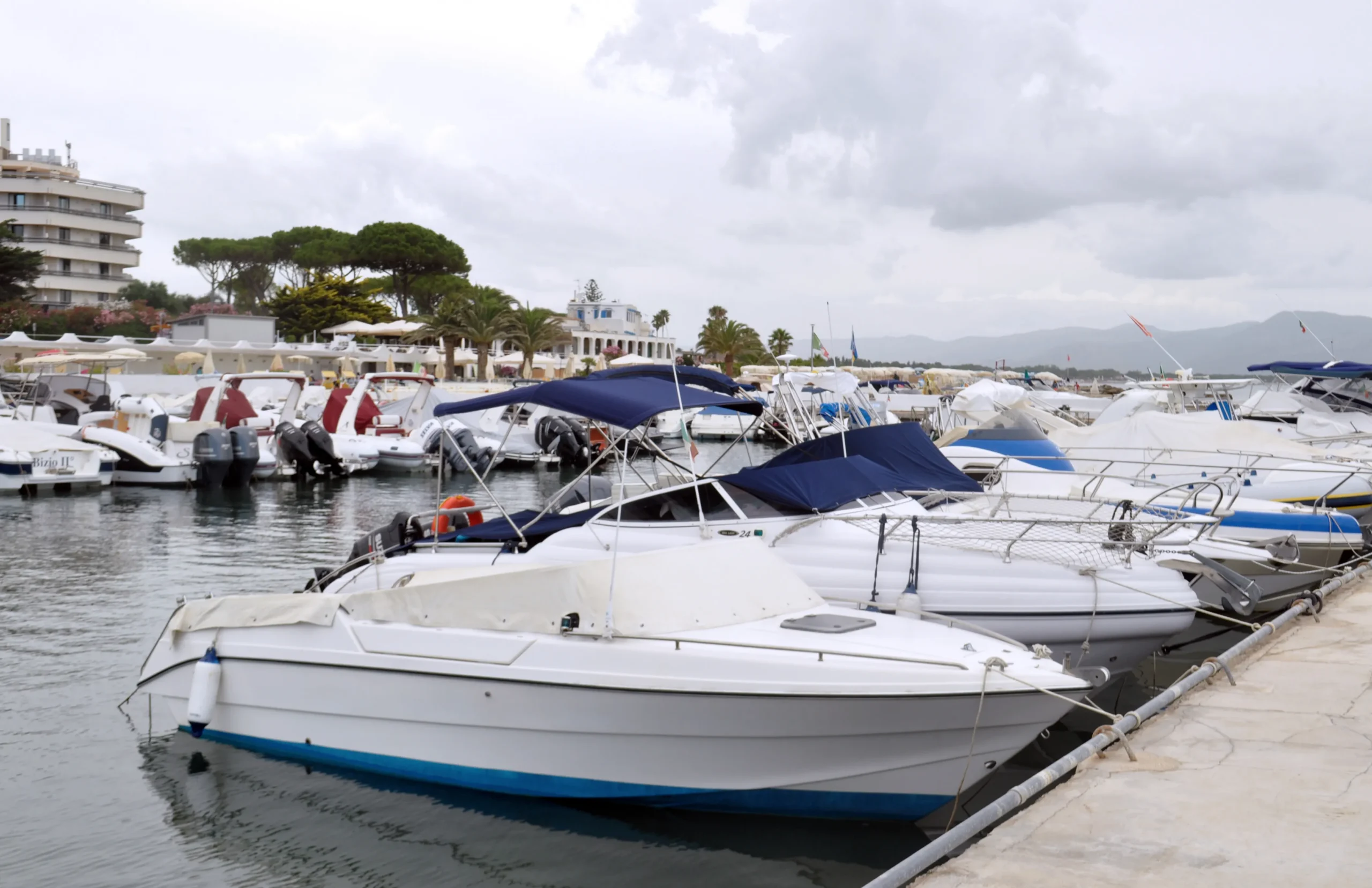
If you live, work or own property anywhere near the South African coastline, you already know the sea does not play nicely with unprotected surfaces. Salt-laden air travels further inland than most people expect, and ordinary paint often starts looking tired within a couple of seasons. Marine paint exists for exactly this reason. It is not just for boats. It is specialist protection for anything that has to live with constant salt, moisture, UV and wind.
Dekro Paints has supplied protective coatings for coastal and marine environments for decades, both for vessels and for the structures that sit beside them. As an SABS ISO 9001 certified manufacturer, the company builds products to high quality standards and backs premium ranges with guarantees of up to 10 years. That matters when the alternative is frequent, expensive maintenance.
Coastal air is not the same as inland air. Fine salt particles ride on the wind and settle on every surface they can reach. High humidity keeps those particles active. Strong sunlight breaks down ordinary binders, and temperature swings make coatings expand and contract. Add occasional heavy rain and you have a combination that attacks both metal and masonry.
Common problems that appear quickly include:
Even buildings a few kilometres from the water can suffer, especially when the prevailing wind carries salt aerosol inland. Projects such as coastal fencing and industrial equipment in places like the Western Cape and KwaZulu-Natal regularly need marine-grade systems rather than standard exterior paint.
Salt acts as an electrolyte. When chloride ions land on metal and mix with moisture and oxygen, they speed up the electrochemical reaction that turns steel into rust. The splash zone, where surfaces are repeatedly wetted and dried, is usually the worst. Even atmospheric exposure well above the waterline can be aggressive because the salt never fully leaves.
On painted surfaces the process is slower at first, but once the film is compromised the corrosion can run underneath and lift the coating. Ordinary household or general-purpose paints simply do not contain the barrier properties or corrosion inhibitors needed to slow this down. That is why metal near the coast often shows rust stains and bubbling within months if the wrong product was used.
Standard decorative paint is formulated for milder conditions. It offers colour and basic weather resistance, but it lacks the film thickness, chemical resistance and adhesion needed for salt exposure. Thin films let moisture and chlorides through more easily. Once that happens, the coating fails from the inside out.
Marine paint systems are built differently. They typically use higher-build epoxy primers for barrier protection, followed by tough intermediate coats and UV-stable polyurethane topcoats. Some systems include zinc-rich primers that provide sacrificial protection. Antifouling products are used below the waterline on boats. These layers work together rather than relying on a single coat of ordinary paint.
Dekro’s marine range, which includes products developed under licence with Chugoku Marine Paints as well as the company’s own Marinecote lines, is designed for these layered systems. Epoxy options such as Epicon Marine Finish give strong adhesion and moisture resistance, while polyurethane finishes like Unymarine deliver colour and gloss retention above the waterline.
A properly specified marine coating system creates multiple lines of defence:
On vessels this means better fuel efficiency (less fouling drag) and fewer dry-dock cycles. On land it means longer intervals between repaints for coastal industrial plant, harbour equipment, containers, cranes and even residential metalwork. Products formulated for high corrosivity categories (C5 environments) are particularly useful in the most exposed locations.
Marine paint is relevant far beyond boat hulls. Typical applications in coastal South Africa include:
Dekro also supplies related protective products for coastal buildings, such as high-performance exterior systems and direct-to-metal coatings suited to aggressive atmospheres. The key is matching the product to the exact exposure rather than using a one-size-fits-all paint.
There is no single “best” marine paint. The correct choice depends on several factors:
Surface preparation is critical. Salt contamination must be removed, rust and loose coatings taken back, and the surface profiled correctly. Skipping this step is the most common reason even good marine paint fails early. After preparation, the system is built in compatible layers: suitable primer, intermediate coats if needed, then the correct topcoat or antifouling.
Dekro’s technical team regularly assists with specifications for both marine and coastal industrial projects, drawing on local experience and ongoing research into protective technologies.
Dekro Paints Group is one of South Africa’s established manufacturers and distributors of paint and coatings. The company exports to markets in Africa, Australia, Europe and the Far East while remaining focused on the demanding conditions found at home. Certification to SABS ISO 9001 supports consistent quality, and continuous research and development keeps the product range aligned with modern performance needs.
Premium ranges carry quality guarantees of up to 10 years, reflecting confidence in durability under real-world exposure. Whether the job is a recreational boat, a coastal industrial structure or metalwork on a seaside property, the same principle applies: use a coating system designed for the environment rather than hoping ordinary paint will cope.
If your surfaces face the coast, marine paint is not an upgrade. It is the practical way to reduce maintenance costs and keep assets looking and performing as they should. For advice on the right system for your project, Dekro’s specialists can help match products to the actual exposure conditions you face.
Shop our Marine Coatings online today: https://dekro.co.za/product/epicon-marine-finish/
Follow Dekro Paints on LinkedIn: https://www.linkedin.com/company/dekro-paints/
Put ideas into action
Find the right paint system, or speak to our team for practical guidance.
Find your paint ↗ Speak to DEKRO →