6 May 2026
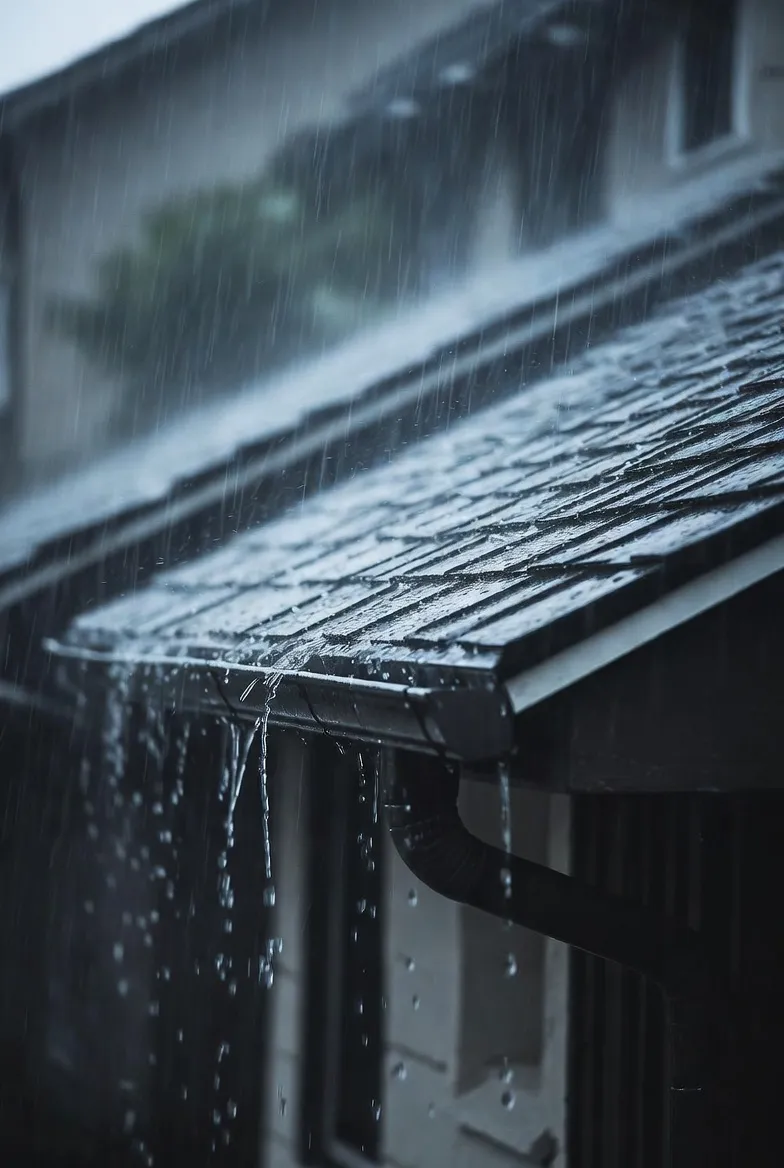
Water damage is one of the most common and costly problems affecting homes, commercial buildings, and industrial properties in South Africa. From leaking roofs and damp walls to cracked balconies and moisture penetration, poor waterproofing can lead to serious structural damage if left untreated.
The good news is that modern waterproofing systems have evolved significantly, offering specialised solutions designed for different surfaces, weather conditions, and construction requirements.
At Dekro Paints, waterproofing products are developed to deliver long-lasting protection while withstanding South Africa’s demanding climate conditions. Choosing the right waterproofing product starts with understanding where it will be applied and what level of flexibility, durability, and protection is required.
Waterproofing is more than just preventing leaks. A properly waterproofed surface helps protect buildings from:
Whether it is a residential roof, a commercial balcony, or an industrial concrete structure, investing in the correct waterproofing system can extend the lifespan of the surface and reduce maintenance costs over time.
No single waterproofing product works for every surface or environment. Effective waterproofing depends on selecting products based on the area being treated, the level of movement expected, and the environmental conditions the surface will face.
Modern waterproofing systems are designed to provide flexibility, durability, and seamless protection across a wide range of applications.
Liquid membranes remain one of the most versatile waterproofing solutions available today.
Products such as Dekro Paints’ Painter’s Pal All in One Waterproofing are ideal for:
Liquid membranes create a seamless protective layer that helps prevent water ingress while remaining flexible enough to handle slight structural movement.
One of the biggest advantages of liquid membranes is their ability to cover irregular shapes and difficult detailing areas that traditional waterproofing methods may struggle with.
Because they cure into a continuous membrane, they minimise weak points where leaks can develop.
Acrylic waterproofing systems continue to be a popular choice for residential and commercial applications due to their user-friendly nature and excellent UV resistance.
Dekro Paints’ Rainproof acrylic waterproofing solution is especially suitable for:
Water-based acrylic coatings are easier to apply and maintain while still delivering reliable waterproofing performance. Their UV resistance makes them ideal for exposed outdoor areas where prolonged sun exposure can damage inferior coatings.
In South Africa’s climate, where surfaces are exposed to both intense heat and heavy rainfall, acrylic waterproofing provides a balanced combination of flexibility and durability.
For more demanding applications, polyurethane waterproofing systems offer exceptional strength and flexibility.
Painter’s Pal All in One Waterproofing is also suitable for high-performance polyurethane applications where increased durability is required.
Polyurethane waterproofing is commonly used on:
These coatings are highly flexible, making them ideal for areas prone to thermal expansion and contraction. Surfaces such as balconies and concrete decks naturally move over time due to temperature changes, and rigid coatings often crack under this stress.
Polyurethane systems help accommodate that movement while maintaining a watertight seal.
Large horizontal surfaces often require additional reinforcement to handle ongoing exposure to moisture and movement.
Fibre Reinforced waterproofing systems provide a durable, high-performance acrylic emulsion solution specifically designed for:
The reinforced fibres help strengthen the waterproofing layer while improving crack resistance and flexibility.
These systems are particularly useful where long-term protection is required on expansive surfaces that experience continuous environmental stress.
Concrete and plaster surfaces require specialised waterproofing products designed to penetrate porous mineral substrates.
Aquablock is a high-quality water repellent used for:
This type of waterproofing compound helps improve the durability and performance of subsequent coating systems while reducing moisture absorption.
It is commonly used as part of a complete waterproofing system where proper substrate preparation is critical.
Selecting the correct waterproofing system requires more than simply choosing the strongest product. Several factors should always be considered before application.
Proper surface preparation is essential for successful waterproofing.
Surfaces should always be:
Even the highest-quality waterproofing product can fail if applied to a poorly prepared surface.
Some surfaces naturally expand and contract due to temperature fluctuations.
Areas such as:
often require flexible waterproofing coatings capable of handling movement without cracking.
Flexible systems such as polyurethane coatings are often better suited for these applications.
The surrounding environment plays a major role in product selection.
For example:
Choosing the correct system for the environment improves long-term performance.
Many property owners only notice waterproofing problems once major damage has already occurred.
Early warning signs include:
These issues often indicate failure within the waterproofing layer and should be addressed immediately before further damage develops.
Waterproofing should never be treated as a short-term fix. High-quality waterproofing systems protect buildings, reduce maintenance costs, and help preserve the value of a property over time.
At Dekro Paints, waterproofing products are designed to perform under South Africa’s toughest conditions, offering durable protection for residential, commercial, and industrial applications.
From acrylic waterproofing and liquid membranes to reinforced coatings and concrete sealers, choosing the correct waterproofing system is one of the smartest investments property owners can make for long-term protection and peace of mind.
Follow us on Instagram for more tips and inspiration!
https://www.instagram.com/dekropaints/
Shop our waterproofing products online today!
https://dekro.co.za/weather-proofing/
Put ideas into action
Find the right paint system, or speak to our team for practical guidance.
Find your paint ↗ Speak to DEKRO →