11 March 2026
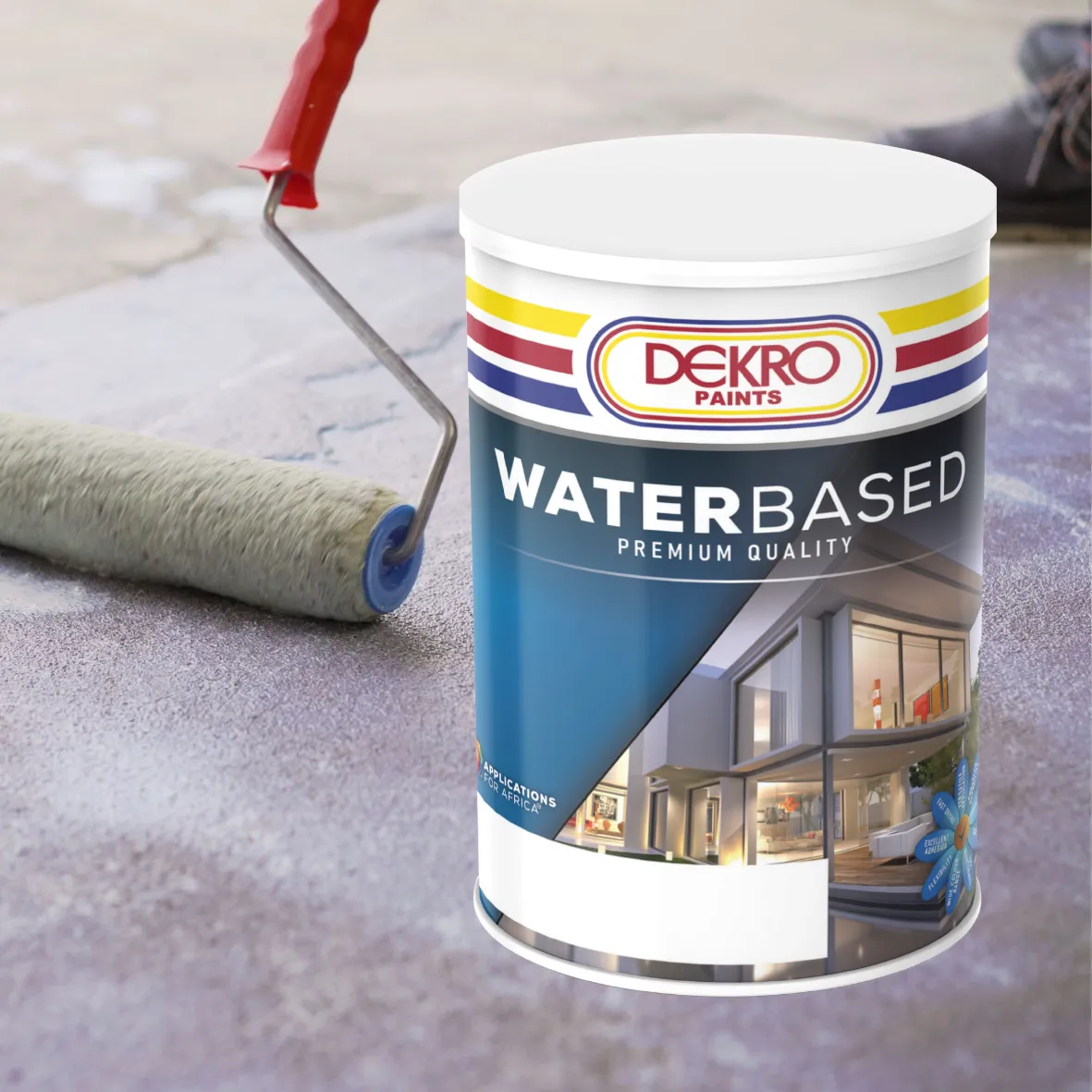
Floors are often the most abused surface in any building, yet they are also one of the most overlooked when it comes to specification. From constant foot traffic and forklifts to chemical spills, moisture and temperature changes, a floor coating has to do far more than simply look good.
At Dekro Paints, floor coatings are treated as engineered systems, not just paint applied to concrete. The correct coating depends on surface condition, moisture levels, chemical exposure, UV exposure and the working environment. Getting this right from the start is what separates a floor that lasts for years from one that fails within months.
Start with the substrate, preparation is non-negotiable
Concrete may look solid, but it is highly porous and sensitive to poor preparation. According to Dekro’s floor coating guidelines, all concrete and cement screeds must be mechanically sound, clean and free of oil, dirt, dust and laitance before any coating system is applied
Laitance is a weak, powdery layer that forms when concrete is over-watered or poorly cured. If left in place, it prevents proper adhesion and almost always leads to coating failure.
Dekro recommends mechanical preparation methods such as diamond grinding or shot blasting. Diamond grinding removes laitance, levels surface imperfections and leaves no residue that could interfere with curing. Shot blasting is a one-step process that removes old coatings and contaminants while creating a surface profile suitable for most coating systems.
Moisture is another critical factor. Standard epoxy systems generally require a moisture content below 10 percent. Where this is not achievable, specialised moisture-displacing systems must be used.
Repairing and conditioning the surface before coating
Before primers or topcoats are applied, cracks, holes and damaged areas must be repaired. For small repairs, Dekster 206 Fairing Compound is used to fill cracks and surface defects, creating a sound and even substrate.
For larger repairs or floating screeds, Dekster 302 or Dekro Moisture Displacing Epoxy combined with aggregate is used to build up strength and create a durable epoxy screed layer. These repair systems are designed to integrate seamlessly with Dekro’s floor coating ranges, ensuring compatibility throughout the system.
Primer selection, matching the primer to site conditions
Primers play a crucial role in floor coating performance. They promote adhesion, seal porous surfaces and manage moisture or compatibility issues.
Dekro offers several primer categories depending on site conditions:
Selecting the correct primer is not optional. It is one of the most important decisions in the entire coating system.
Epoxy floor coatings for internal environments
Epoxy floor coatings are widely used in commercial and industrial facilities due to their durability, load-bearing capacity and ease of cleaning.
Dekro’s epoxy systems are typically specified for internal floors with minimal UV exposure. Products such as Dekster 110 Hi-Build Epoxy Floor Coating, Dekster 111 Self-Levelling Hi-Build Epoxy and high-solids options like Dekster 504 provide a smooth, seamless surface capable of withstanding heavy traffic and abrasion.
These systems are commonly used in warehouses, workshops, production areas and plant rooms where performance is more important than aesthetics alone.
Polyurethane coatings for UV and colour stability
Where floors are exposed to sunlight or require long-term colour retention, polyurethane topcoats are recommended.
Adthane Enamel and Unymarine polyurethane coatings offer excellent gloss retention, durability and resistance to chemicals, fuels and solvents. These coatings are suitable for both internal and external concrete floors when applied over a correctly primed substrate.
They are often used in loading bays, external walkways and areas where both performance and appearance are important.
Chemical resistant floor coatings for aggressive environments
Facilities such as wastewater treatment plants, power stations and industrial processing areas require coatings that can withstand constant chemical exposure.
Dekro’s chemical resistant epoxy systems, including Tuffcoat ST85 and ST100, are designed to resist salt water, solvents and aggressive chemicals while maintaining high abrasion resistance. These coatings protect critical infrastructure and significantly extend the service life of concrete floors in harsh environments.
Food-grade floor coatings for hygiene-critical areas
Food processing plants, cold storage facilities and food warehouses demand coatings that support hygiene and safety standards.
Dekro supplies food-grade epoxy systems such as Epicon T500 and Epicon T800. These high-build coatings offer excellent chemical resistance and durability and are suitable for environments where liquid and solid foods are handled.
For maintenance and refurbishment, Acri 700 provides a quick-drying, UV-resistant solution that resists hot tyre pick-up and is ideal for operational facilities where downtime must be kept to a minimum.
Colour, safety and operational efficiency
Floor coatings also play a role in safety and workflow management. Dekro’s standard industrial colour range allows for clear demarcation of walkways, traffic zones and hazardous areas, improving safety and operational efficiency across industrial sites.
Getting the system right from the start
A successful floor coating is never just one product. It is a system made up of preparation, repair, primer and topcoat, all matched to the environment and conditions on site.
Dekro Paints’ floor coating systems are engineered to work together, backed by technical expertise and proven performance across industrial, commercial and specialised environments.
For guidance on specifying the correct floor coating system for your project, visit www.dekro.co.za or contact the Dekro Paints technical team for expert support.
Put ideas into action
Find the right paint system, or speak to our team for practical guidance.
Find your paint ↗ Speak to DEKRO →